
Many electric heating appliances use cast aluminum heaters as heating elements. However, if the sealing of the nozzle of the cast aluminum heater is poor, the magnesium oxide powder in the tube will be damp, which will cause electric leakage. When overhauling, you can first remove some of the sealant that was originally sealed, and leave a place where the seal is repaired. Then energize the cast aluminum heater for more than 10 minutes to allow the moisture in the cast aluminum heater to fully evaporate. After natural cooling, check with a megohmmeter, the insulation resistance between the tube shell and the heating wire lead rod is not less than 1, indicating that the insulation is good. If it is lower than 1, you can turn on the electricity for a while to let the moisture in the tube evaporate.
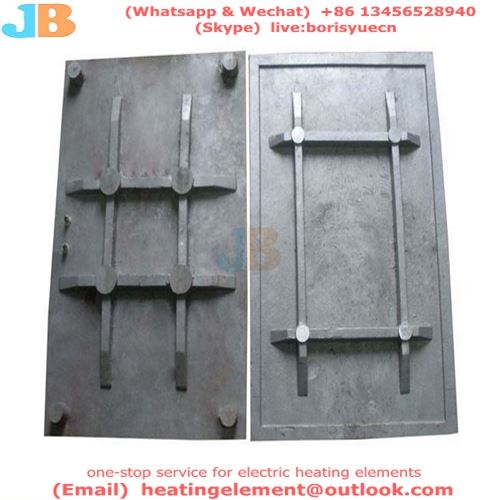

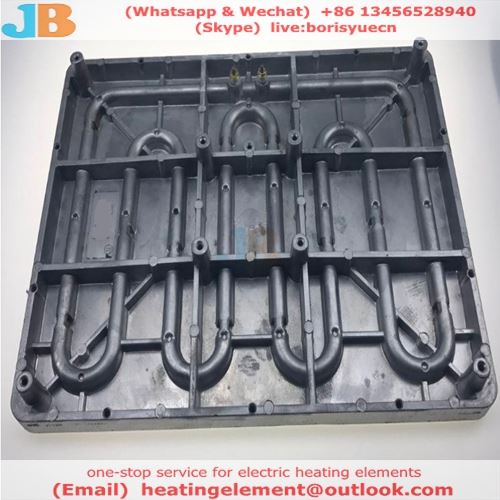

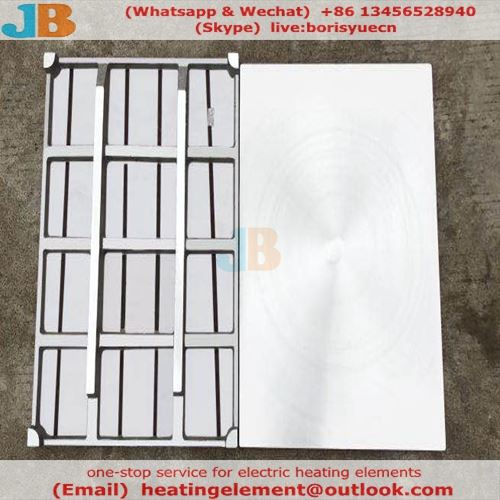

When it is measured that the cast aluminum heater has good insulation, the tube can be sealed with silicone rubber. Note that the heating wire lead rod should be kept in the center of the tube. After the silicone rubber is cured for 24 hours, it can be reused. For the cast aluminum heater, the test is divided into two stages. The following uses sodium cast aluminum heater as an example.
1. Start-up and preliminary operation of cast aluminum heater
The purpose of this test is to observe whether the cast aluminum heater can operate normally. At the beginning of the test, one end of the heat pipe was heated in the tubular resistance furnace. The initial heating rate of the cast aluminum heater was slower in the initial stage of starting, so that the sodium in the capillary structure was melted and recirculated to prevent the evaporation section from drying out. After about half an hour of starting, the cast aluminum heater entered normal operation, and then gradually heated to about 700C. At this time, the cast aluminum heater was reddened due to the large amount of heat exported.
2. After the cast aluminum heater is operating normally, the axial wall temperature distribution and the transmission power of the cast aluminum heater are measured.
During the test, the cast aluminum heater is directly exposed to the air except for the high-frequency coil, and the heat is dissipated by high-temperature radiation and natural convection of air, and the axial wall temperature distribution under different powers is tested. Adjust the ratio of helium to air in the air gap, that is, increase or decrease the amount of helium. Each time it is adjusted, the input power is changed, and the maximum transmission power of the cast aluminum heater at different operating temperatures is determined.